
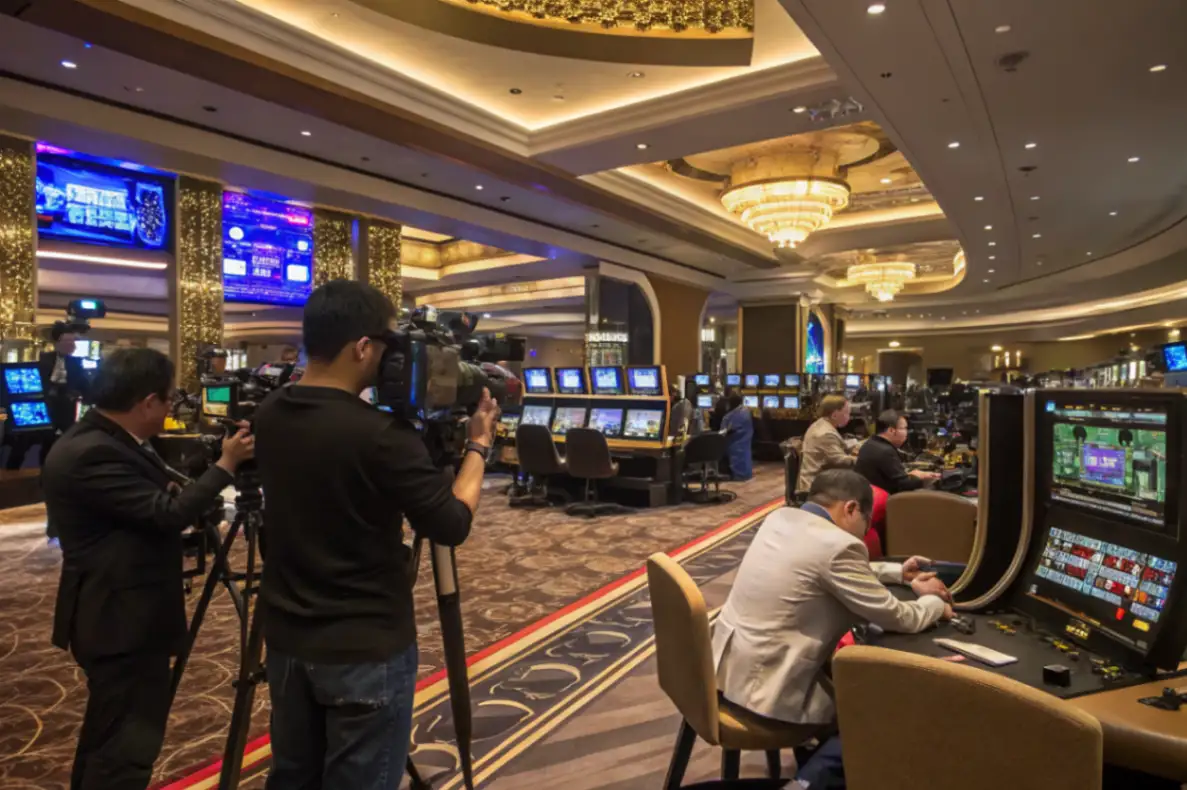
The online gambling industry has evolved rapidly over the past decade, reshaping how players interact with games, platforms, and even dealers. While slots once dominated the digital casino landscape due to their simplicity and accessibility, a noticeable shift has taken place. More players are now gravitating toward live casino experiences and game shows, seeking something beyond repetitive spins and static gameplay.
It reflects deeper changes in player expectations, technology, and the psychology of entertainment. Live casino games and interactive game shows offer immersion, social interaction, and a sense of authenticity that traditional slots often lack. As platforms continue to innovate, the gap between passive and engaging gameplay becomes even more apparent.
The Evolution of Online Gambling Preferences
Online casinos originally gained popularity because they replicated traditional gambling in a convenient, digital format. Early platforms focused heavily on slot machines, offering hundreds of themed games with simple mechanics and fast gameplay. These games appealed to a broad audience because they required no prior knowledge and delivered instant gratification.
Over time, however, player expectations began to change. As internet speeds improved and streaming technology became more stable, casinos started experimenting with live dealer games. These games bridged the gap between land-based and online gambling by introducing real dealers, real-time interaction, and a more authentic environment.
The rise of live casino game shows marked another major turning point. Inspired by television formats, these games combine gambling mechanics with entertainment elements such as hosts, spinning wheels, and audience participation. Players are no longer just clicking buttons—they are part of a dynamic experience.
Several factors contributed to this shift:
- Improved streaming quality and low-latency connections made real-time interaction possible.
- Players began to value experiences over simple outcomes.
- Mobile gaming expanded, allowing users to access live games anywhere.
- Younger audiences, accustomed to interactive content, entered the market.
This evolution highlights a broader trend: players are no longer satisfied with passive gameplay. They want engagement, realism, and a sense of presence.
Key Differences Between Slots and Live Casino Experiences
Understanding why players are moving away from slots requires a closer look at how these formats differ. While both belong to the same ecosystem, their core mechanics and emotional impact are fundamentally different.
Below is a comparison that illustrates these differences clearly:
| Feature | Slot Games | Live Casino & Game Shows |
|---|---|---|
| Gameplay Style | Automated, repetitive | Interactive, real-time |
| Social Interaction | None | Live chat and host engagement |
| Visual Experience | Animated graphics | Real dealers and studio environments |
| Skill Involvement | Minimal | Moderate (depending on game) |
| Immersion Level | Low to medium | High |
| Pace | Fast, repetitive spins | Slower, more engaging rounds |
| Entertainment Factor | Limited to visuals | Combined gameplay and show elements |
Slots are designed for speed and simplicity. They rely heavily on visual stimulation and random outcomes. This makes them easy to play but also predictable in structure.
Live casino games, on the other hand, introduce a human element. Players interact with dealers, observe real cards or wheels, and experience outcomes in real time. Game shows go even further by blending gambling with entertainment, often featuring charismatic hosts and unpredictable mechanics.
The table demonstrates that the shift is not just about variety—it’s about depth. Players are choosing experiences that feel more real, more engaging, and more rewarding on multiple levels.
Psychological Factors Driving the Shift
The move toward live casino and game shows is deeply connected to how players experience enjoyment and engagement. Traditional slots rely on quick dopamine hits triggered by spinning reels and occasional wins. While effective in the short term, this model can feel repetitive over time.
Live games tap into different psychological triggers. They create anticipation, social connection, and a sense of participation. Watching a real dealer shuffle cards or spin a wheel adds authenticity, making outcomes feel more tangible.
Several psychological factors explain this shift:
- Players seek social interaction, even in online environments.
- Real-time gameplay increases emotional investment.
- Visual realism enhances trust and credibility.
- Slower pacing allows players to feel more in control.
- Game shows introduce unpredictability and excitement beyond standard mechanics.
Each of these elements contributes to a richer experience. Instead of focusing solely on winning or losing, players become engaged in the process itself.
After considering these points, it becomes clear that the appeal of live casino games lies in their ability to simulate real-world experiences. They reduce the sense of isolation often associated with online gambling and replace it with a more communal atmosphere.
This psychological shift is especially important for newer generations of players who are accustomed to interactive platforms such as streaming services, multiplayer games, and social media.
The Role of Technology in Live Casino Growth
Technological advancements have played a crucial role in making live casino and game shows accessible and appealing. Without high-quality streaming, advanced cameras, and stable connections, these formats would not exist in their current form.
Modern live casino studios are designed to deliver a seamless experience. Multiple camera angles, professional lighting, and high-definition video create an environment that closely resembles a physical casino. Players can switch views, zoom in on gameplay, and interact with dealers through chat functions.
Game shows take this even further by incorporating augmented reality elements, dynamic animations, and interactive features. These innovations blur the line between gambling and entertainment.
Several technological developments have driven this growth:
- High-speed internet and 5G connectivity.
- Advanced video streaming platforms.
- Mobile optimization for live gameplay.
- Integration of real-time chat systems.
- Use of AI for personalization and recommendations.
Technology not only enhances the visual quality but also improves usability. Players can join games instantly, switch between tables, and access a wide range of formats without delays.
This level of convenience, combined with immersive design, makes live casino games a natural progression from traditional slots.
Entertainment Value and Player Engagement
One of the most significant reasons players are moving toward live casino and game shows is the increased entertainment value. Slots, while visually appealing, often lack narrative or interaction. The experience is repetitive, with limited variation beyond themes and bonus features.
Live casino games introduce storytelling elements. Dealers act as hosts, guiding players through each round. Their personalities, communication style, and reactions add a human touch that cannot be replicated by automated systems.
Game shows elevate this concept by creating full-scale entertainment experiences. Bright visuals, engaging hosts, and unpredictable mechanics transform gameplay into a spectacle. Players are not just participants—they are part of a show.
This shift aligns with broader entertainment trends. Audiences today prefer interactive and immersive content. Streaming platforms, live broadcasts, and social media have changed how people consume entertainment, and online casinos are adapting accordingly.
Engagement also increases because players feel more connected. Seeing real people, hearing real voices, and participating in real-time events creates a sense of presence that slots cannot match.
As a result, players tend to spend more time in live environments, not necessarily because of higher rewards, but because the experience itself is more enjoyable.
The Future of Online Casinos Beyond Slots
The growing popularity of live casino and game shows suggests that the future of online gambling will be shaped by experience-driven formats. Slots will likely remain part of the ecosystem, but their dominance is no longer guaranteed.
Developers are already experimenting with hybrid models that combine elements of slots, live games, and interactive features. Virtual reality and augmented reality technologies are expected to further enhance immersion, allowing players to enter fully simulated casino environments.
Game shows are also evolving. New formats are being introduced regularly, each offering unique mechanics and themes. This constant innovation keeps players engaged and encourages exploration.
Another important trend is personalization. Platforms are using data to recommend games based on player preferences, making it easier to discover engaging content.
Looking ahead, several developments are likely:
- Expansion of live dealer studios worldwide.
- Integration of VR and AR technologies.
- Increased focus on gamification and storytelling.
- More localized content tailored to specific regions.
- Enhanced social features and community elements.
These changes indicate that online casinos are moving toward a more holistic entertainment model. The focus is shifting from isolated gameplay to shared experiences.
Conclusion
The transition from slots to live casino and game shows reflects a broader transformation in the online gambling industry. Players are no longer satisfied with simple, repetitive mechanics. They are looking for interaction, realism, and entertainment.
Live casino games provide authenticity through real dealers and real-time gameplay. Game shows add excitement and unpredictability, turning gambling into an engaging experience. Together, these formats address the limitations of traditional slots and offer something more dynamic.
As technology continues to evolve, this trend is expected to grow. Online casinos will increasingly prioritize immersive experiences, blending gaming with entertainment in new and innovative ways.
For players, this means more choice, more engagement, and a more enjoyable journey. The era of passive gameplay is постепенно уступает место интерактивным форматам, где важен не только результат, но и сам процесс.
